

Contact KSP
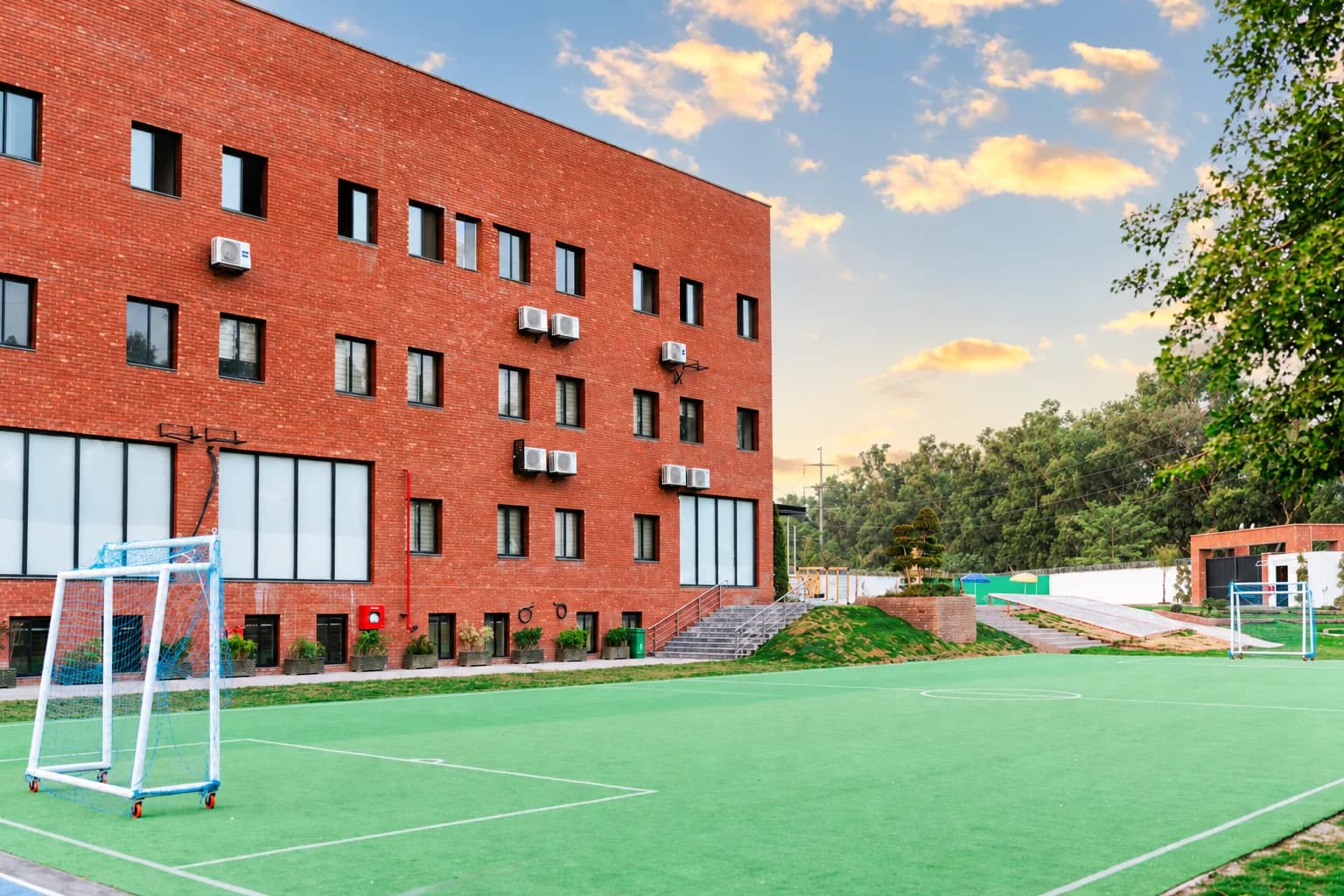
Central School International campus and sports field.

School education

Central School International

CSI is an educational institution rooted in cultural values and built for global excellence. It operates at the forefront of research, and its education centres on four commitments.

  • Personalised learning

    Teaching tailored to the strengths and gifts of each child.

  • 21st-century skills

    The skills students need to succeed in the modern world.

  • Rigorous academics

    A challenging academic curriculum at the centre of the school day.

  • Technology-enabled

    Classrooms supported by current educational technology.

What CSI offers

Four things shape the school day at CSI.

  • Project-based learning

    Students learn through projects, which keeps lessons interactive, evidence-based and effective.

  • Extended Learning Program

    The ELP is purpose-built to develop 21st-century skills, outside the academic timetable.

  • Small class sizes

    A student-teacher ratio of 12:1 across its classes gives teachers room to tailor lessons to each child.

  • Custom-made sports programme

    Swimming pools and rock-climbing walls support students' physical development.

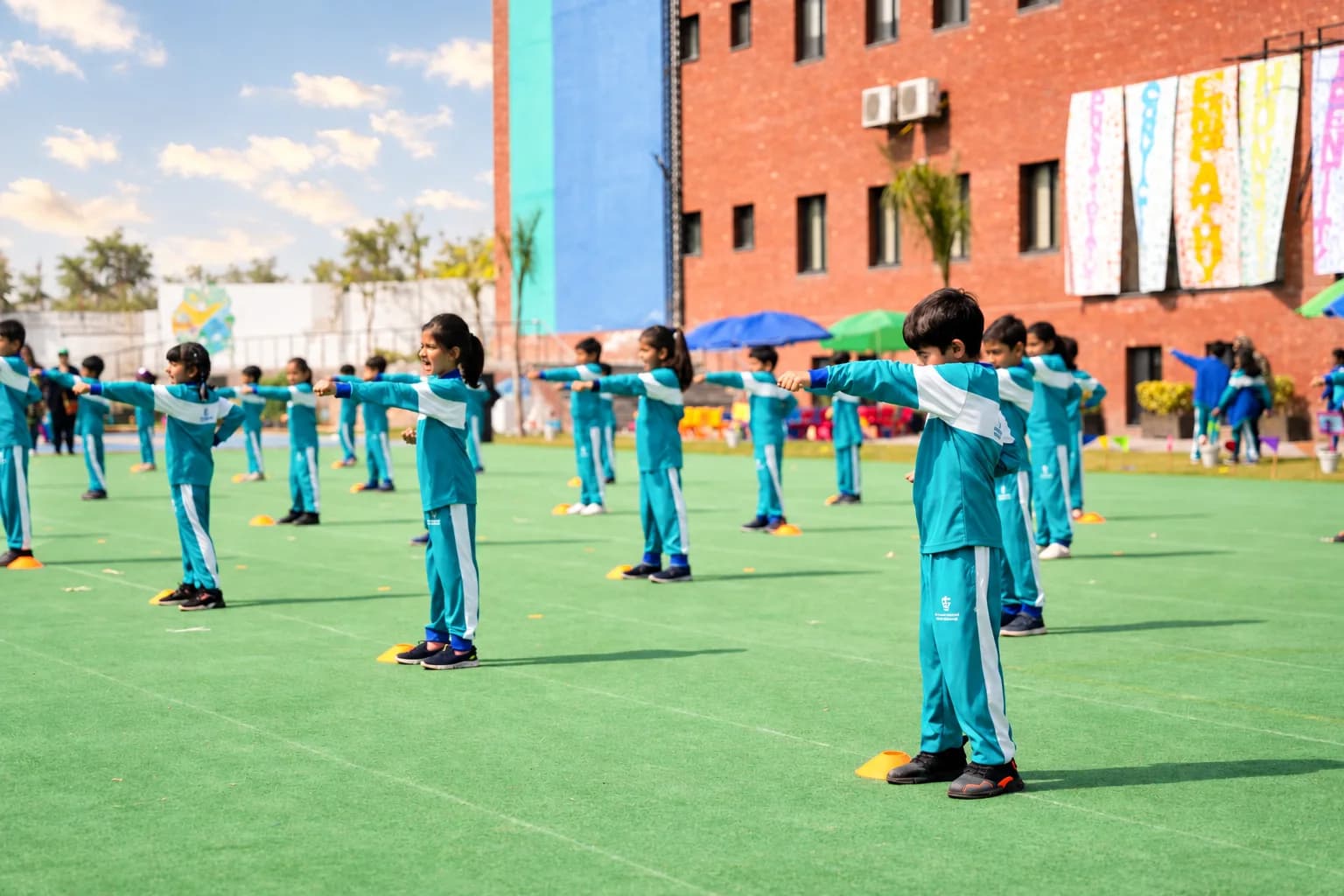
Central School International pupils taking part in an outdoor activity on campus.
12:1Student-teacher ratio

EdTech · Assessment · Training

CORE Assessments

Through CORE Assessments, KSP offers technology-enabled assessment solutions and training modules that upskill and evaluate educators and learners.

CORE sits where EdTech, assessment and training meet. It works on the quality of human capital in education through a commercially viable business model.

EdTechAssessmentTrainingCORE
CORE sits where EdTech, assessment and training overlap.

Key features of CORE

  • Expert instruction

    Industry leaders teach each module, bringing real-world insight and a passion for teaching.

  • Advanced learning management system

    A purpose-built LMS holds course content, revision material and assessments in one place.

  • Formal certification

    Participants earn recognised certificates that validate their skills and open new career paths.

The CORE approach

Five principles shape how CORE designs, teaches and measures each course.

  • Expert instruction

    Experts in professional development create CORE's lectures and knowledge products, then supervise the upskilling that follows.

  • Based on evidence

    CORE relies on data. Its mechanisms, processes and pedagogy have a record of working, and working well.

  • Consistent feedback

    Built-in self-assessment tools let learners check their performance as they go and fix weak areas early.

  • Self-paced

    Learners study at their own pace, in the order that fits their work and circumstances.

  • Focused guidance

    Courses flag areas that need attention in good time, then direct guidance to exactly those areas.

Digital accessibility

CORE delivers its content through a dedicated dashboard that brings everything into one place. Each dashboard is user-specific: learners see the course content, revision material and assessment protocols that match their own professional development needs.

This custom digital architecture lets CORE deliver high-quality capacity development across the country.

Your CORE dashboardMatched to your professional development needs
  • Course content
  • Revision texts
  • Quizzes
  • Supplementary materials
  • Assessments
Schematic: what each learner's dashboard brings together.

The capabilities behind both

KSP runs CSI and CORE on the same capabilities it brings to client work. Each one is also available as a service in its own right.

Multi-disciplinary analysis and research

Context-specific research, stakeholder engagement and clear pathways to implementation combine into evidence-based insights.

KSP anchors its analysis on three pillars, so the insight it produces fits the context and leads to action.

  1. Context-specific research. We root each study in the socio-economic, cultural and political realities of the region, so findings lead to interventions that work on the ground.
  2. Stakeholder engagement and multidisciplinary collaboration. We involve a wide range of partners throughout the research, which brings more knowledge and expertise into each recommendation.
  3. Clear pathways to implementation. We align recommendations with existing policy frameworks and write them in formats decision-makers can act on.

Technical consulting and assistance

  1. Research and analysis
  2. Deliver tailored insights
  3. Engage stakeholders
  4. Build capacity
  5. Ensure sustainable outcomes
  6. Long-term impact
The engagement moves from research and analysis to tailored insights, stakeholder engagement, capacity building and sustainable outcomes, ending in long-term impact.

We give policy advice grounded in rigorous evidence and in the realities each client faces.

Our approach

  • Contextual relevance. Consulting rooted in local socio-economic, cultural and political realities.
  • Capacity building. Where it helps, we equip institutions with the skills, tools and frameworks to sustain the solution.
  • Collaborative stakeholder engagement. Diverse perspectives make policy solutions inclusive and achievable.
  • Sustainable outcomes. Adaptable systems that keep working long after implementation.

Training and capacity building

We build capacity in people and institutions, with a focus on STEM and STEAM education. Teachers get the knowledge and techniques to teach STEM and STEAM subjects well.

We also help schools strengthen governance, resource management and decision-making, and secure the financial, technical and human resources that keep education outcomes improving over time.

Institutional strengthening
  • Governance structures
  • Resource management
  • Decision-making processes
STEM and STEAM focus
  • Teacher training in STEM and STEAM subjects
  • Resources for an effective STEM and STEAM programme
Capacity building and empowerment
Sustainable resource mobilisation
  • Financial resources
  • Technical resources
  • Human resources
Skills development and training
  • Teacher training
  • Pedagogical techniques
Capacity building and empowerment has four domains: institutional strengthening, stem and steam focus, sustainable resource mobilisation, skills development and training.

See all Knowledge Services

Building something in education? Let's talk.

Whether you run a school, an education department or a development programme, KSP can help you research the problem, design the response and train the people who deliver it.